The World’s Safest and Most Powerful Diesel-Electric Flamethrower
Project Overview
-
Performance: Achieves a high flow rate of 2 GPM or greater.
Weight Constraints: Lightweight design, restricted to 30 lbs or less.
Form Factor: Fully self-contained architecture, eliminating the need for backpacks or external fuel and power supplies.
Regulatory Compliance: Designed and built to be fully FCC compliant.
-
Engineering & Design: Led general electrical and mechanical design, including the complete architecture and integration of the ignition system.
Fluid Systems: Directed fuel selection and engineered fluid management solutions.
Fabrication & R&D: Executed hands-on fabrication and drove research and development to optimize system performance.
Operations: Managed hardware selection, part sourcing, and cost-reduction initiatives.
-
Safety & Usability: Designed for intuitive operation with an uncompromising emphasis on user safety and extreme system reliability.
Performance: Engineered to achieve an effective operational range exceeding 30 feet.
Aesthetics & Branding: Features an aesthetically striking and instantly recognizable design language.
Supply Chain & Maintenance: Built using easily sourced parts and accessible services for streamlined maintenance.
Commercial Viability: Optimized for cost-effectiveness and scalability to ensure high profitability.
-
Ignition Systems: Engineered for the reliable ignition of high-flash-point fuels.
Thermal Control: Developed effective heat management solutions to protect both the user and the hardware.
Electrical Safety: Implemented robust high-voltage shielding to prevent arcing and interference.
Fluid Dynamics: Achieved long-range fluid projection while operating under low hydraulic power constraints (<200W).
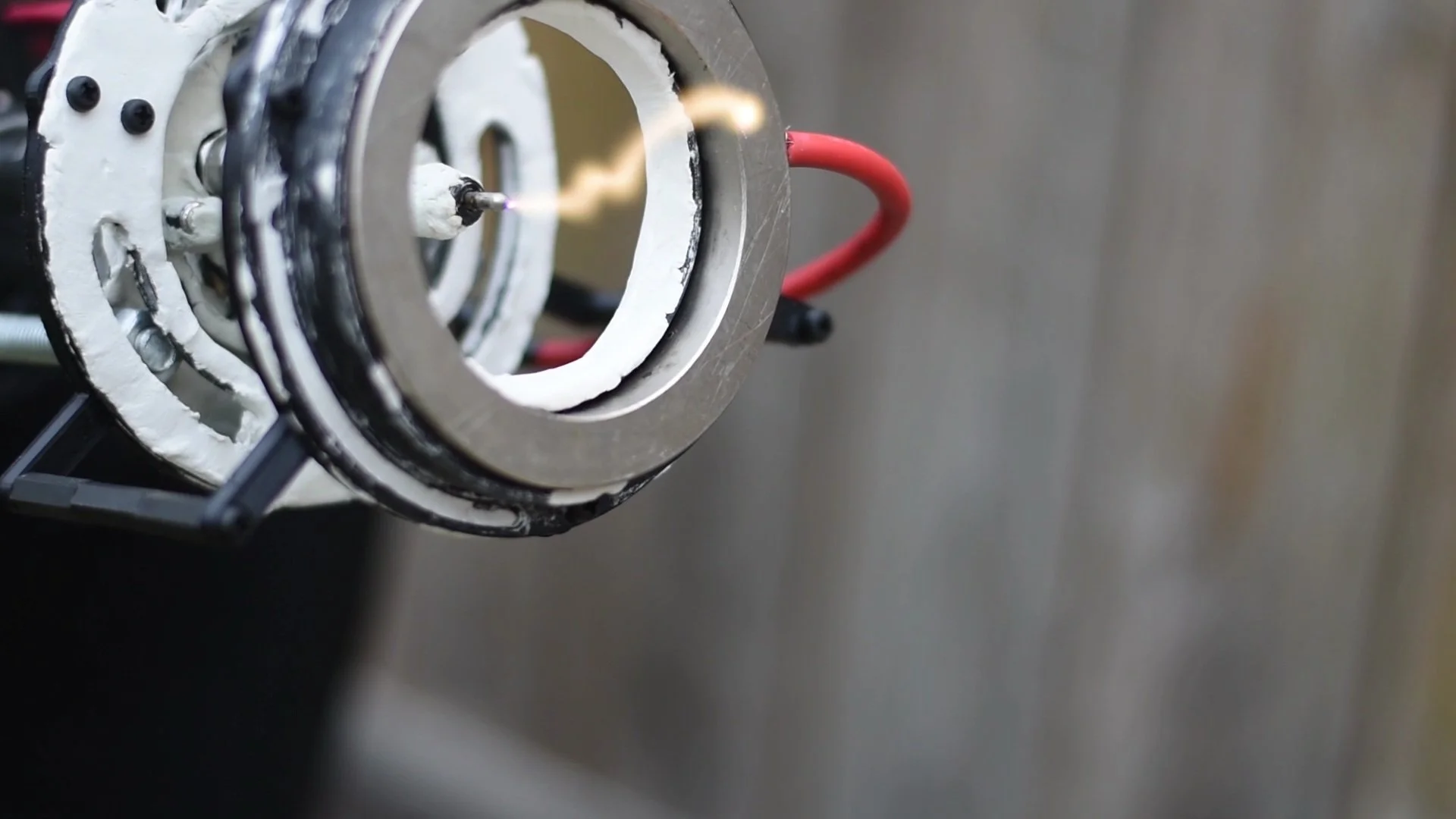
The first flamethrower utilized a 60,000V ignition system. However, the resulting plasma was highly unstable due to weak magnetic confinement and low current density.
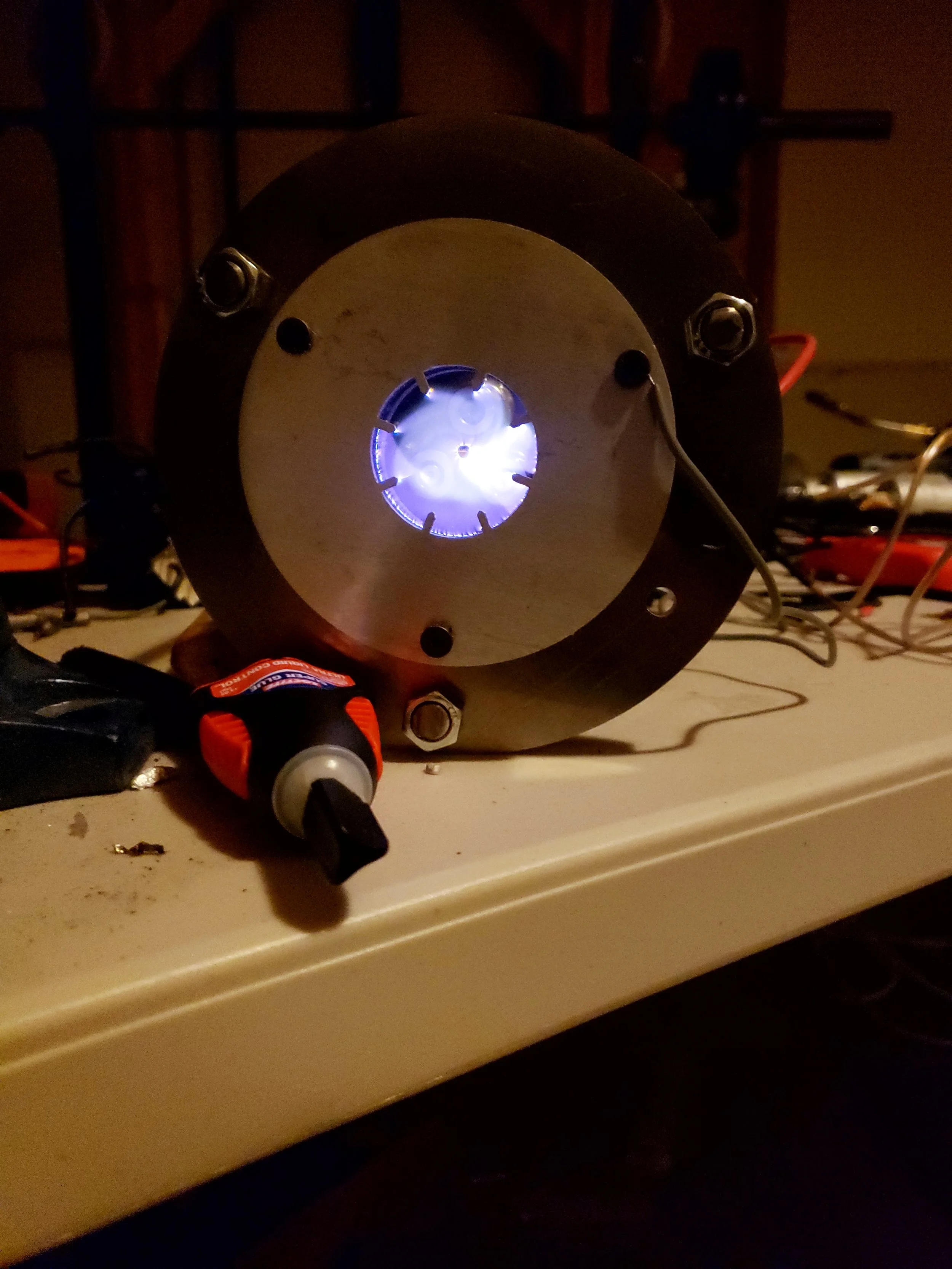
The next iteration operated at approximately 30,000V and employed a resonant cavity, resulting in a significantly more stable and reliable plasma.
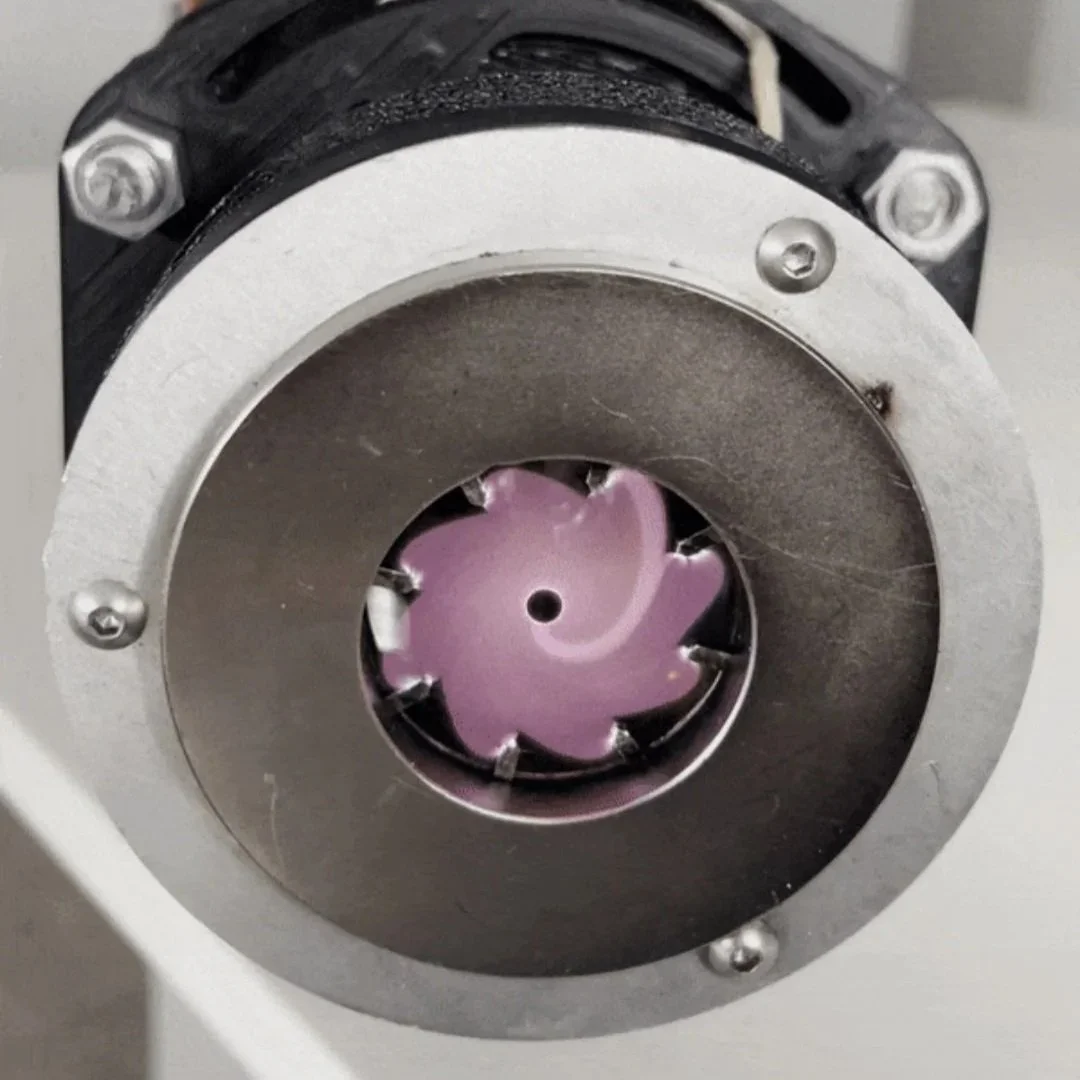
The final design utilized two magnets to sandwich the resonant cavity, successfully confining the plasma. The arc spun more vigorously but remained tightly bound, allowing for easier ignition of high-flash-point fuels and reducing heat transfer from the plasma to the magnets.
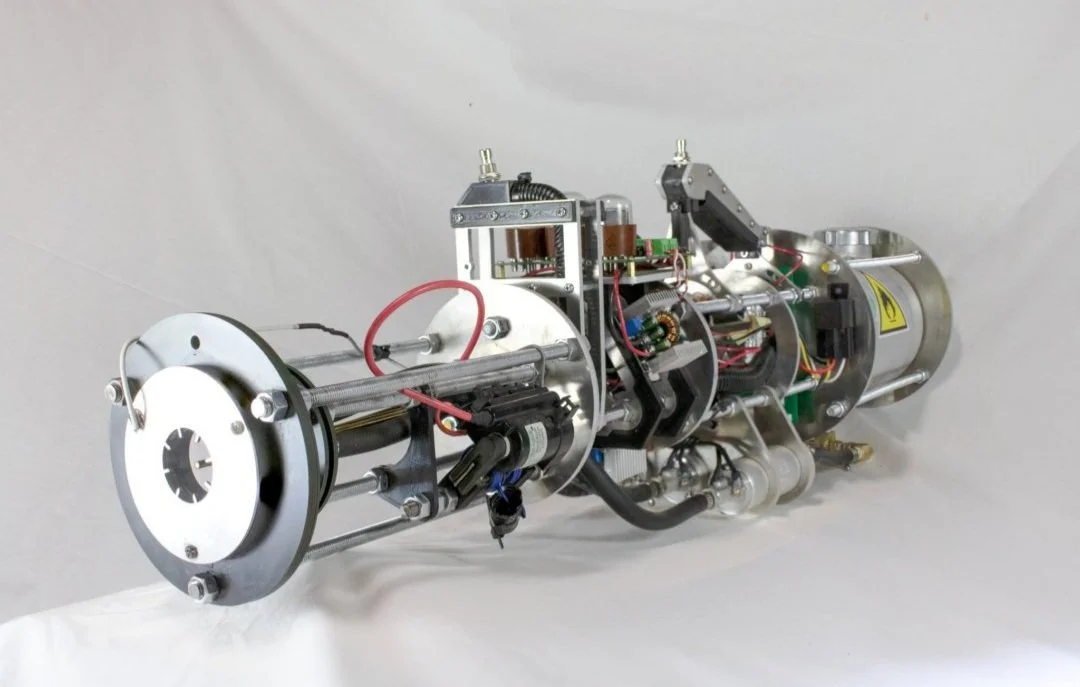
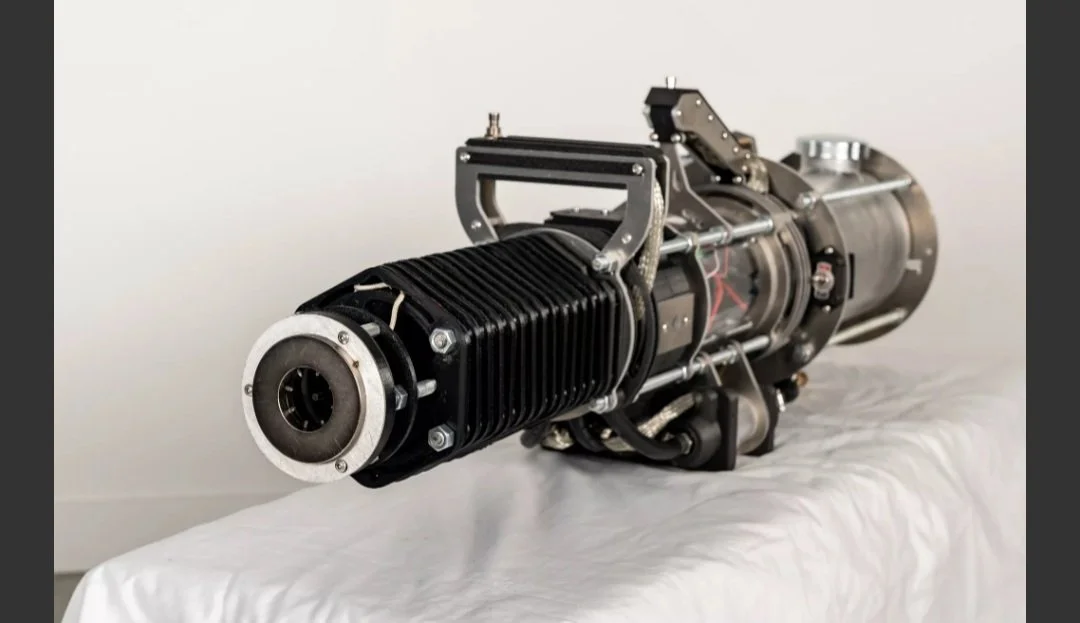
The first major iteration of the 'Big Boy' flamethrower. While heavy and overbuilt, the design was undeniably unique, blending modern and retro styling.
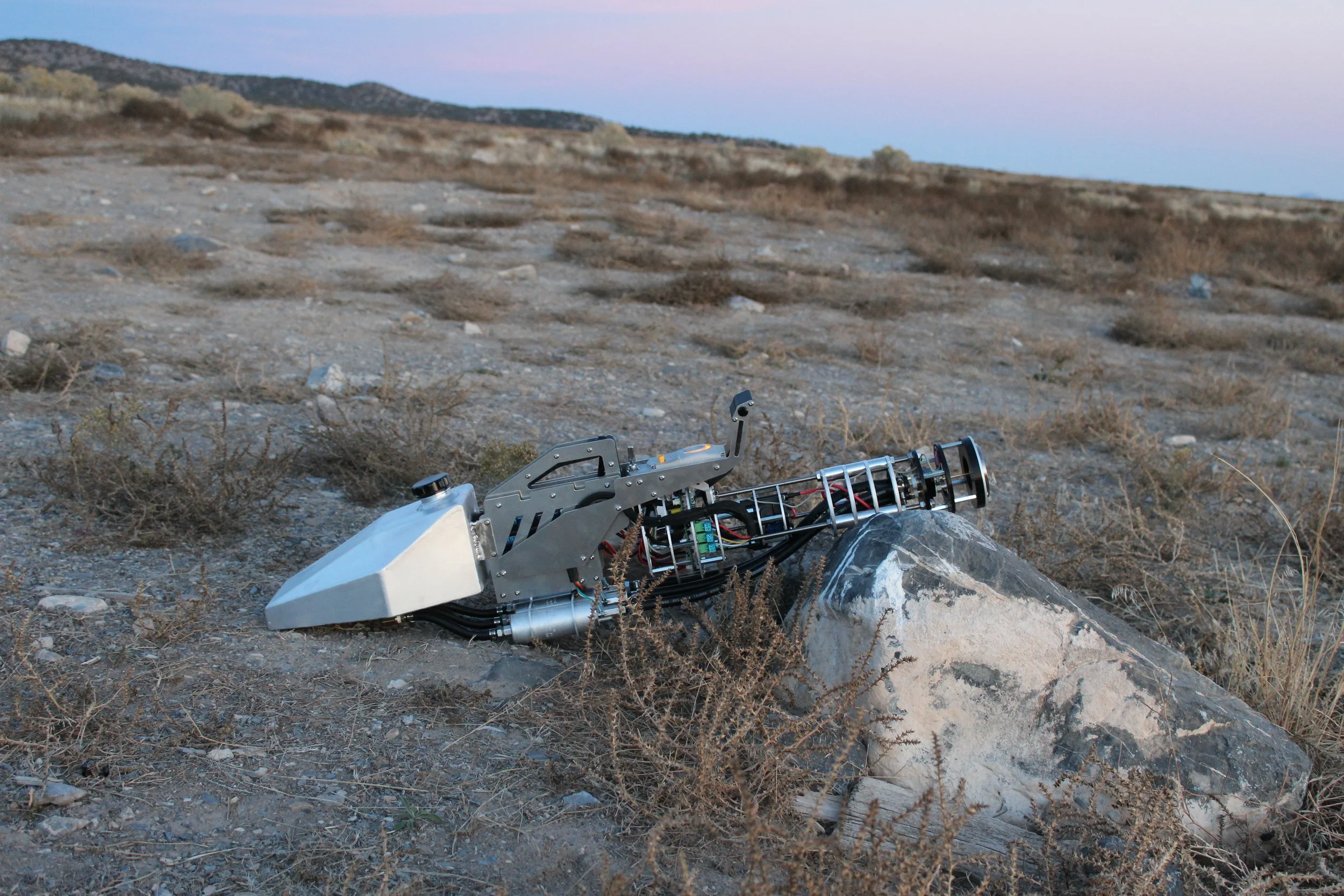
The second major iteration of the 'Big Boy' flamethrower. It was slightly lighter and featured a more reserved design language, though the assembly and maintenance processes proved somewhat difficult.
The final iteration of the 'Big Boy' flamethrower. This model is approximately 40% lighter than its predecessors, features streamlined assembly and maintenance processes, and delivers nearly twice the operational range
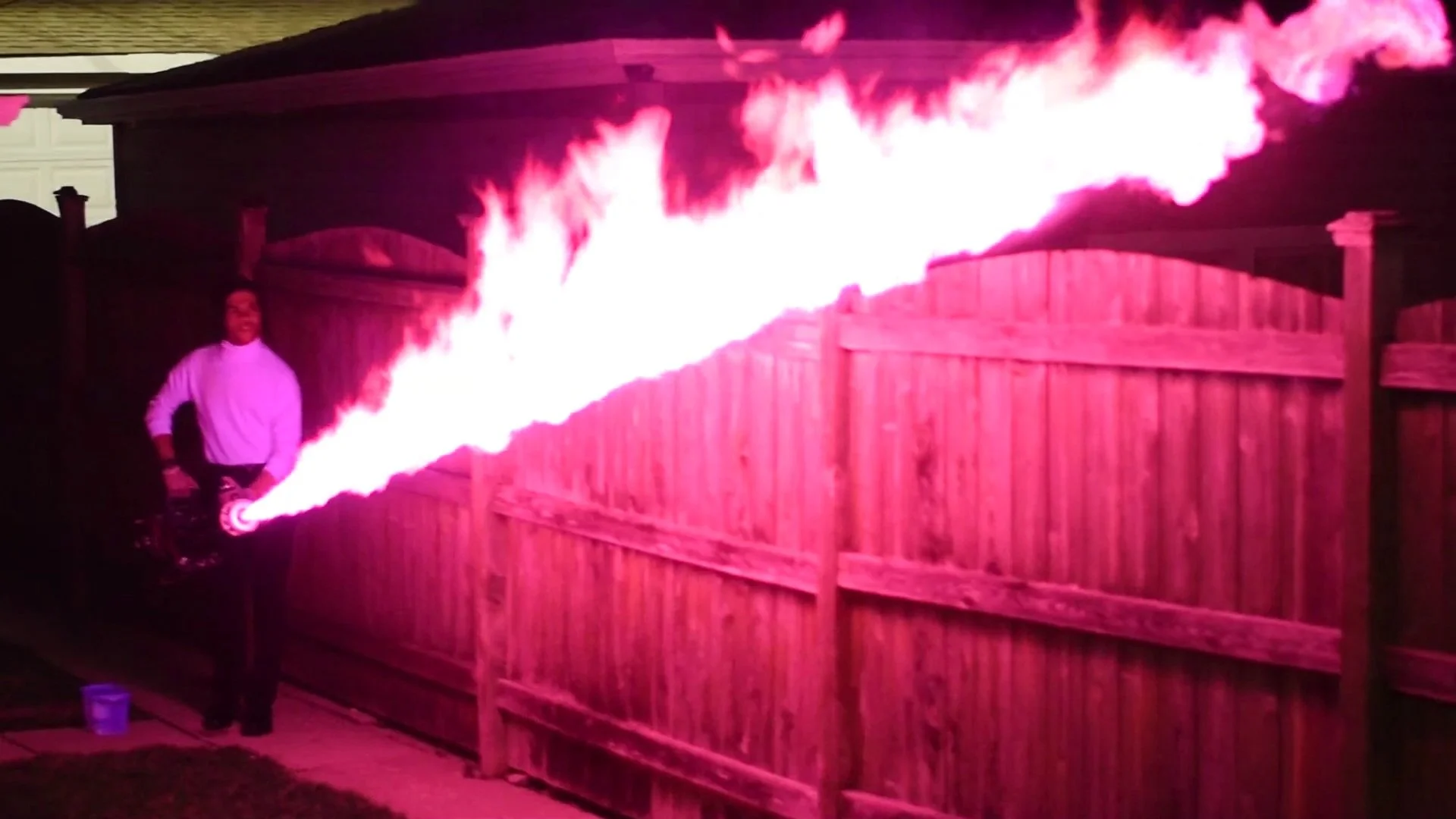
Lithium Chloride Dissolved in Methanol (8-10ft flame)
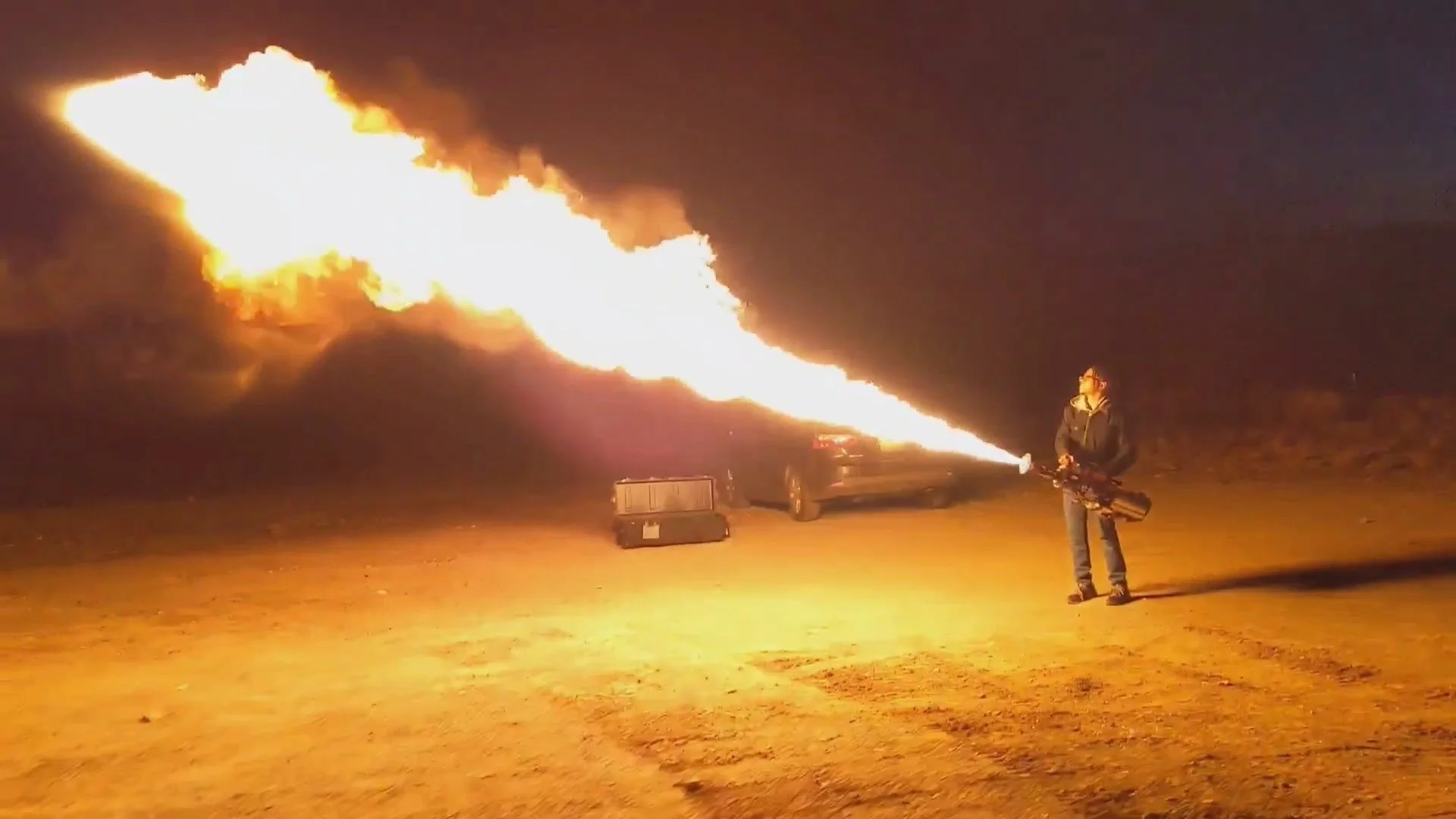
Pure Gasoline (20-25ft flame)
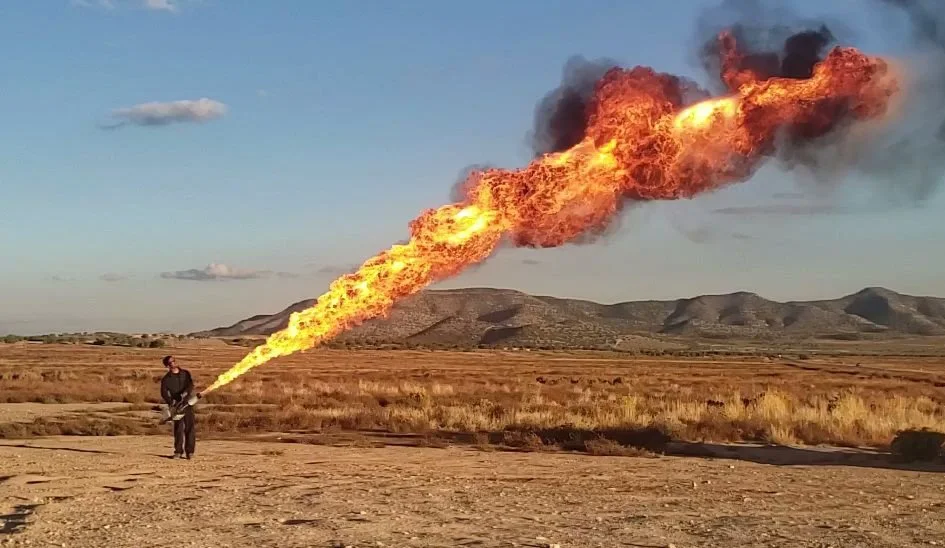
Pure Diesel (45-55ft flame)
Pure gasoline is too volatile, leading to premature ignition. This issue reduced the maximum effective range and compromised overall safety and reliability by leaving burning fuel trapped inside the igniter.
Using pure diesel allowed for increased range and reduced heat transfer to both the user and the flamethrower, as more of the fuel combusted further downrange. Additionally, due to diesel’s high flash point, the issue of premature ignition was completely resolved.
Random man enjoys shooting fire in the desert.